
Jungermannia borealis
| Common Name | Northern Flapwort |
| Quick & Dirty ID | XXXXXX |
Image Gallery
Distinguishing Features
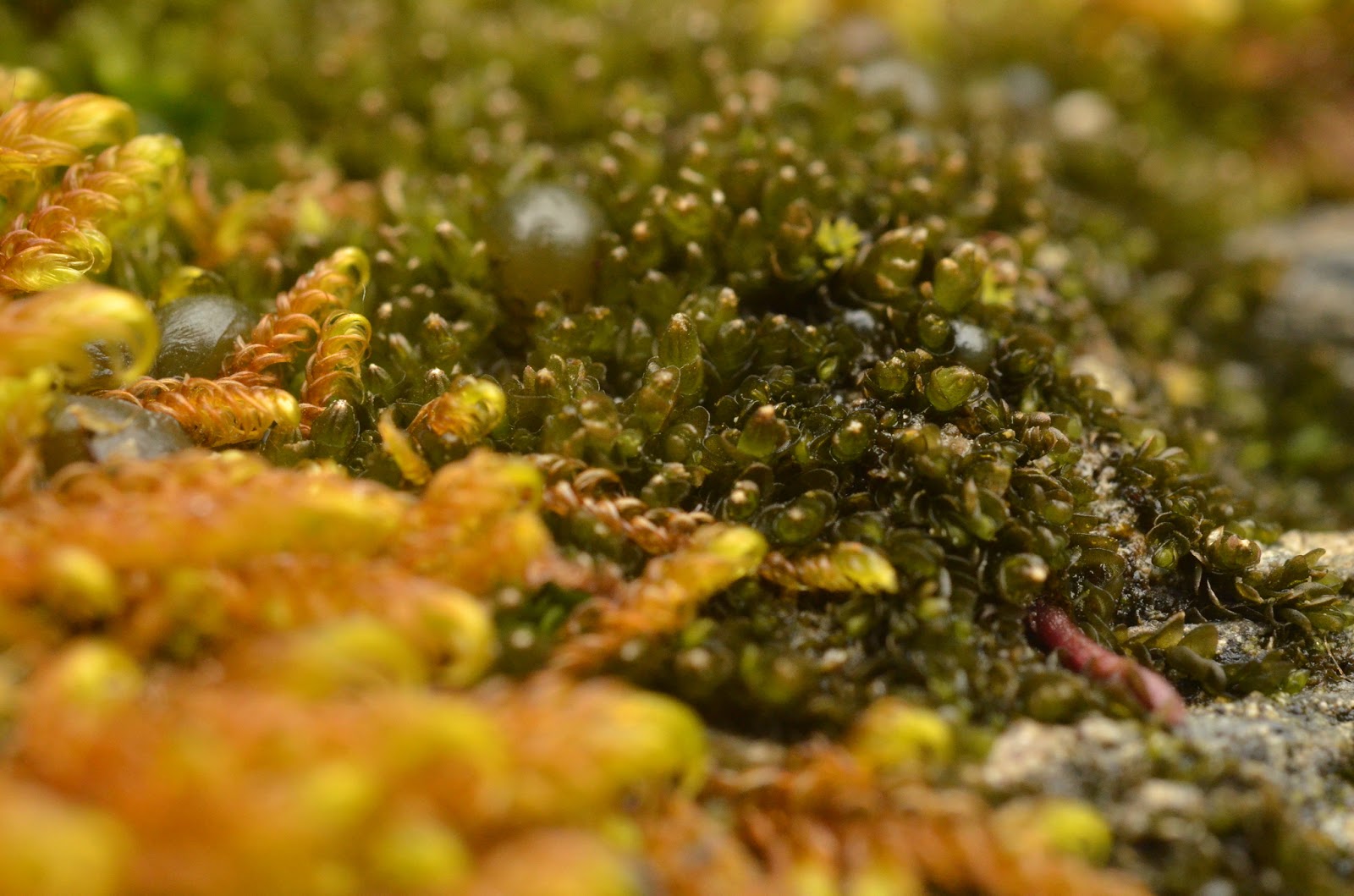
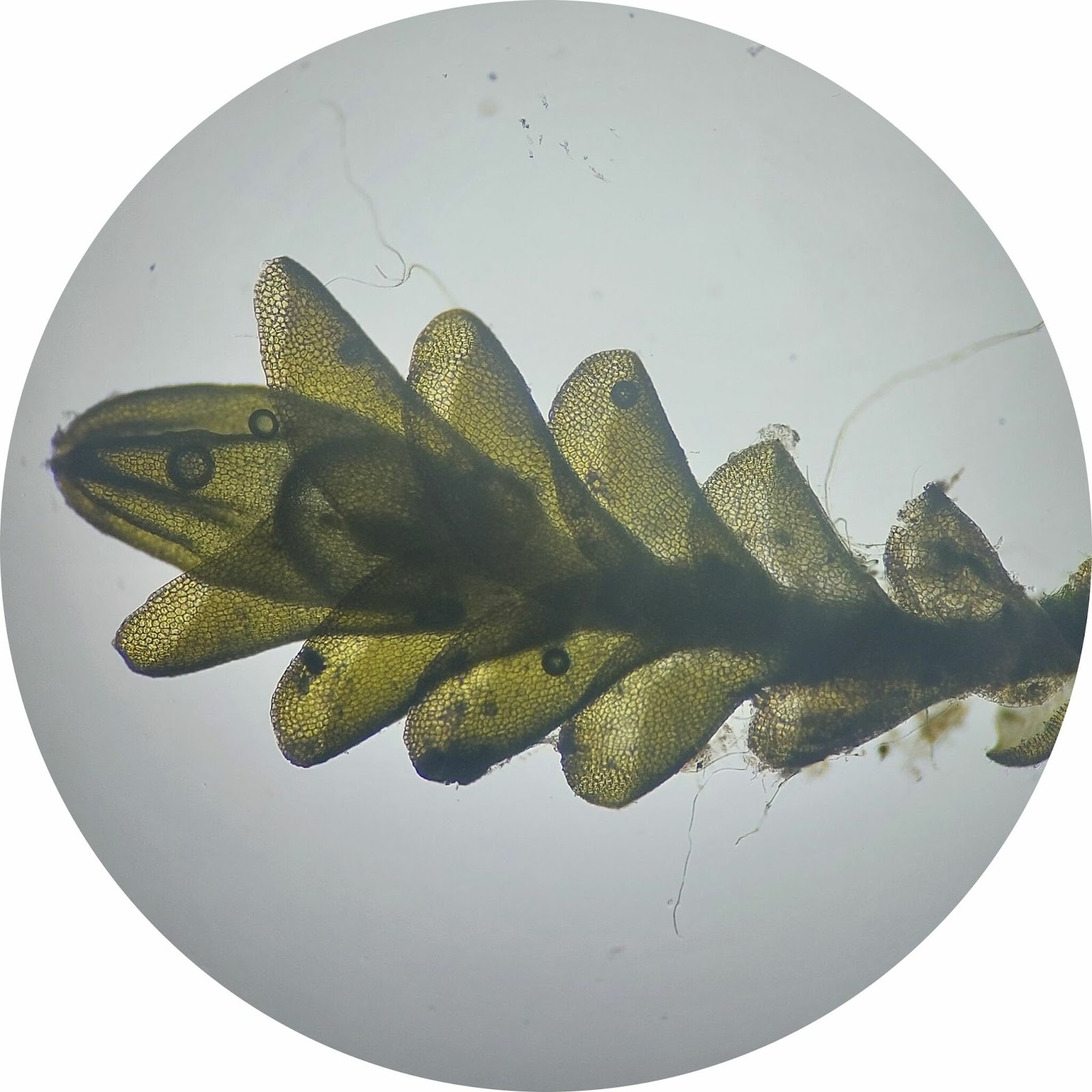
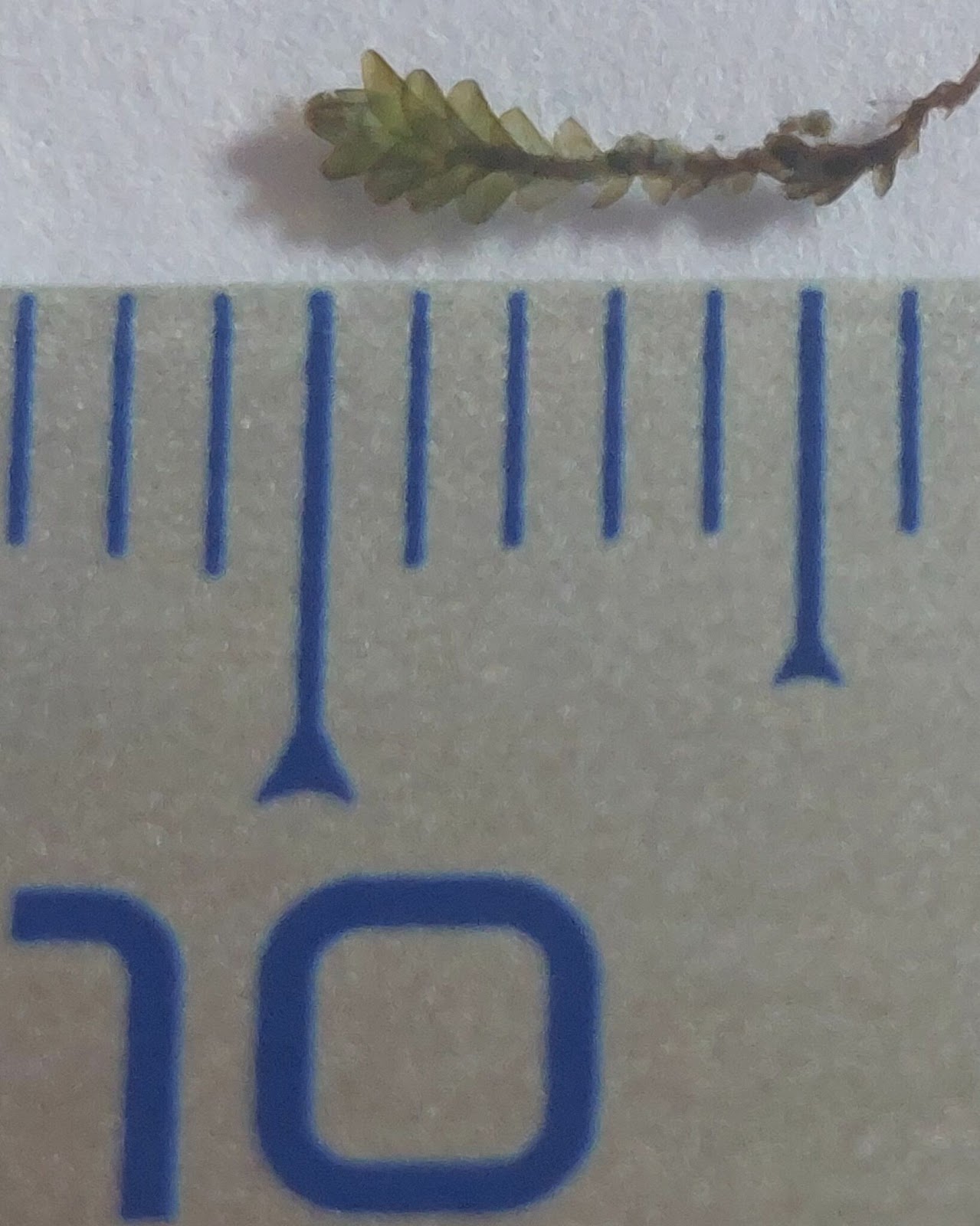
A dark green-black species of arctic and alpine tundrascapes, the small shoots of J. borealis are less than 1 mm wide and composed of simple, wide-spreading, concave and ovate leaves. Growing on rocks and mineral soil along drainage, this species affixes to its substrate with a set of clear or brown-tinged rhizoids. It is rarely fertile, but when antheridia and archegonia are present, they are on separate plants (“dioicous”).
Similar species
Plectocolea obovata is similar in size, leaf shape and colour, but it has red, not clear, rhizoids and occupies temperate and boreal habitats. See notes under Jungermannia atrovirens, the species to which J. borealis is most similar. The two are very difficult to tell apart in the absence of spores, but the former is larger (leafy shoots wider than 1.5 mm) and occupies more temperate habitats than the latter, which is a small plant (leafy shoots < 1 mm wide) of tundrascapes.
Habitat
Moist, shady rock outcrops, cliffs, ledges, crevices, boulders, and streambanks in the lowland and montane zones
Associated species
XXXXXX
Distribution Map
Relevant Literature
- Godfrey, J.D. (1977). Hepaticae and Anthocerotae of southwestern British Columbia . [Doctoral dissertation, University of British Columbia]. UBC cIRcle.
- Hong, W. S. (2007). Scapania. In Flora of North America Editorial Committee (Eds.), Flora of North America North of Mexico (Vol. 3) . Oxford University Press.
- Wagner, D. H. (2013). Guide to the liverworts of Oregon: Scapania undulata . Oregon State University Herbarium.