
Nardia breidleri
| Common Name | Book Flapwort |
| Quick & Dirty ID | XXXXXX |
Image Gallery
Distinguishing Features
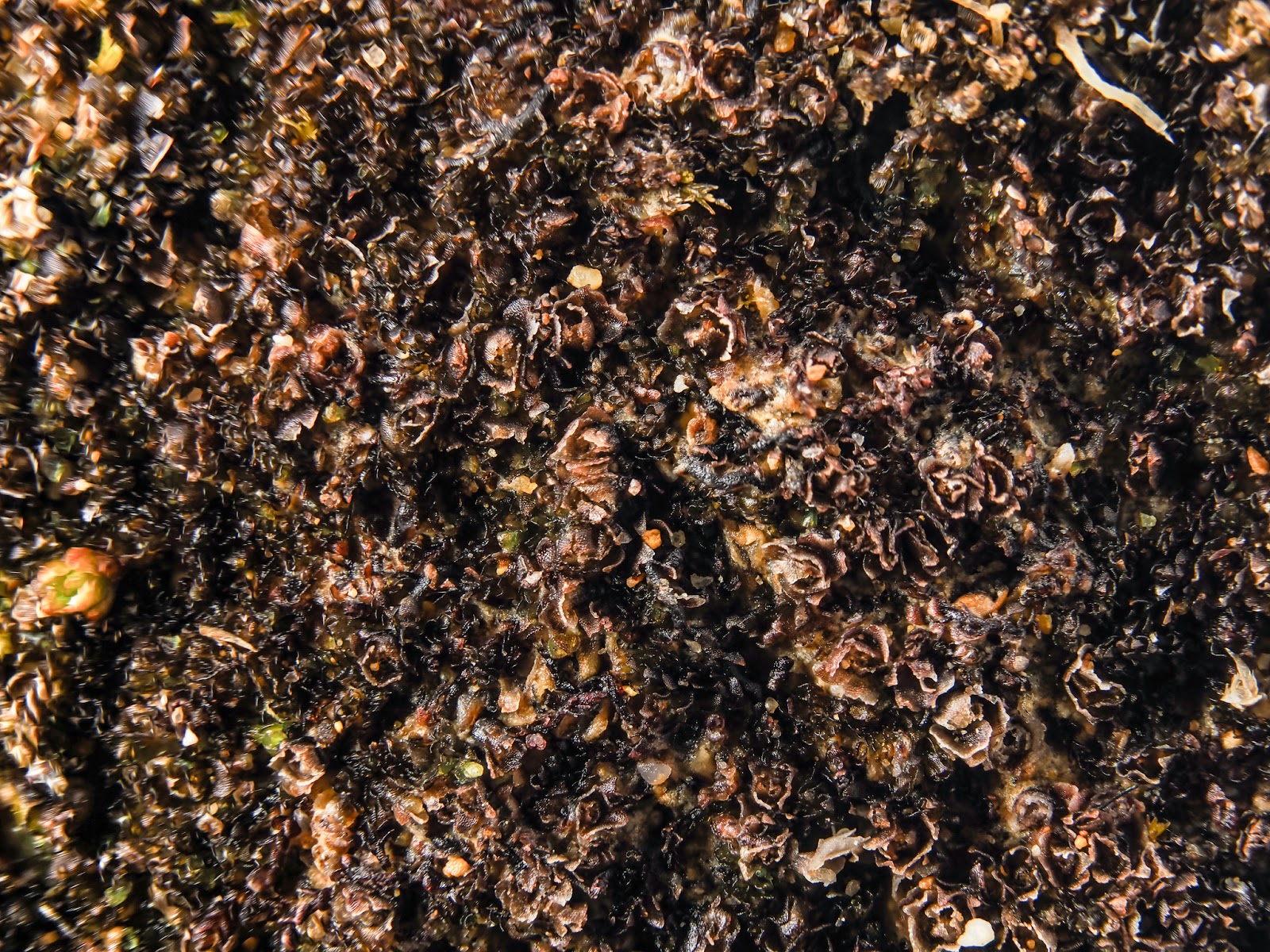
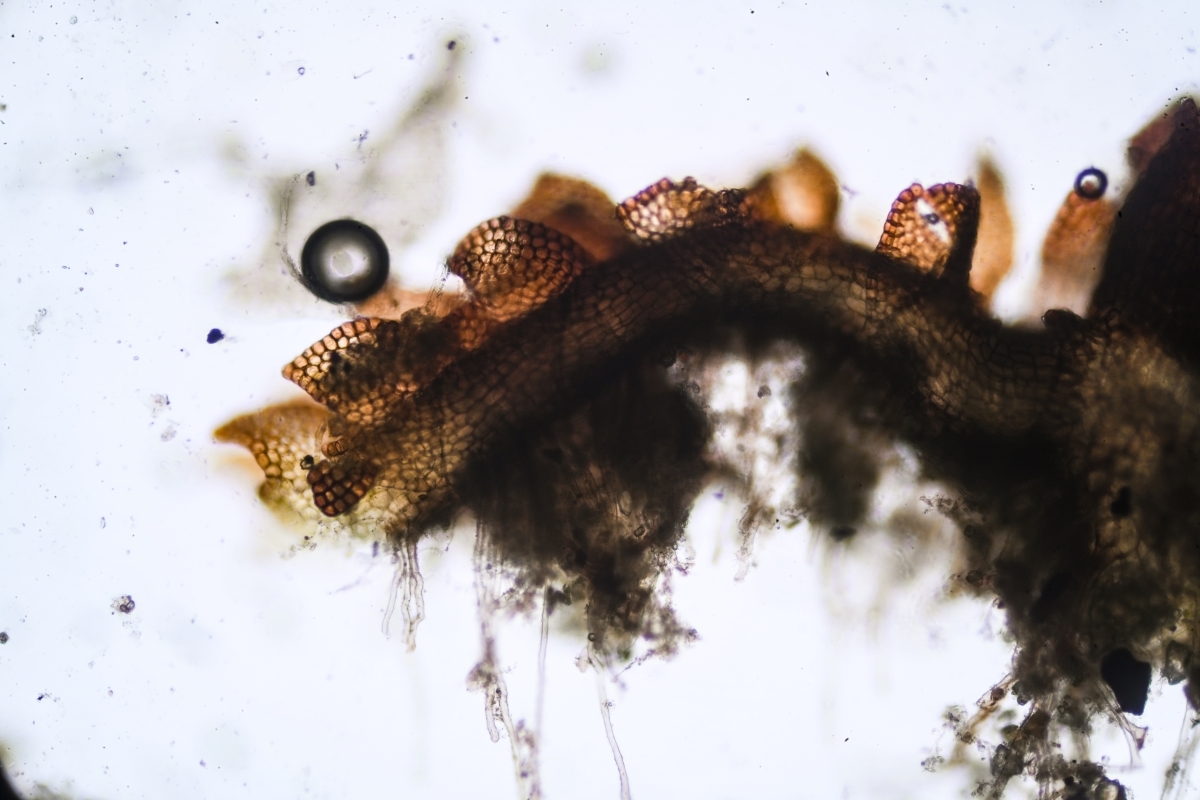
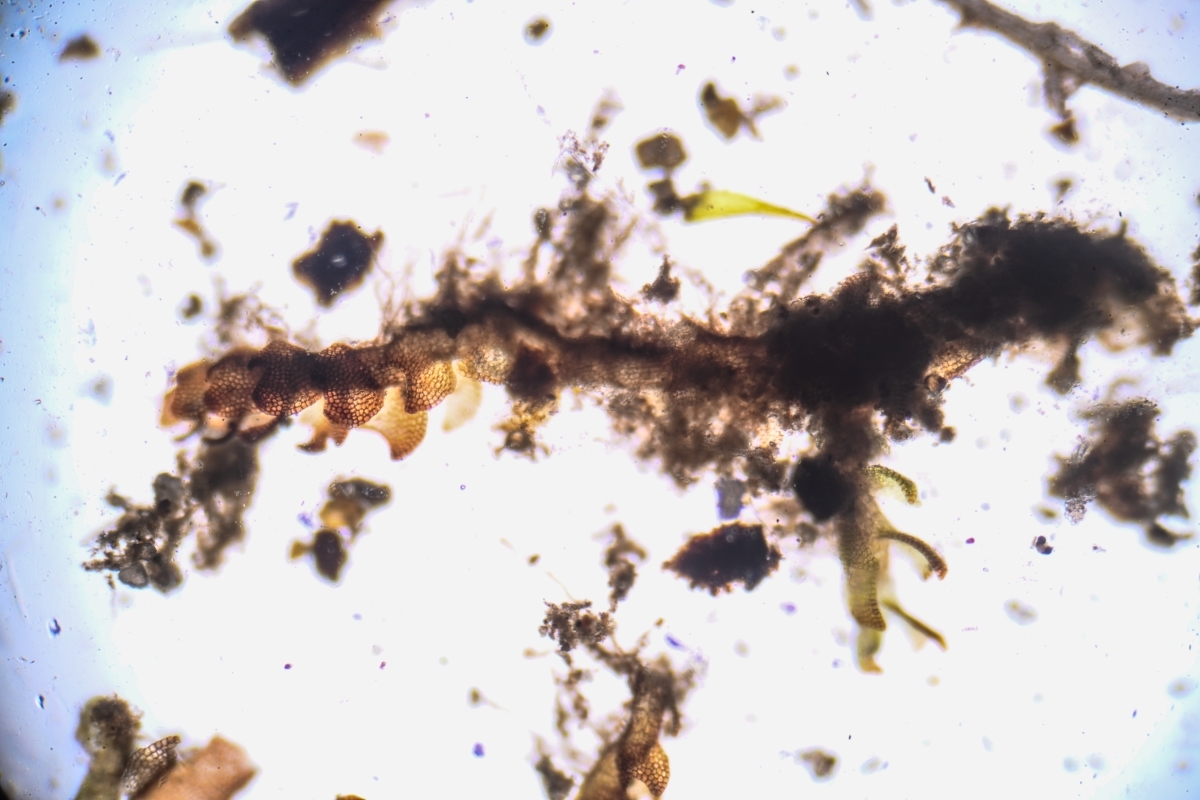
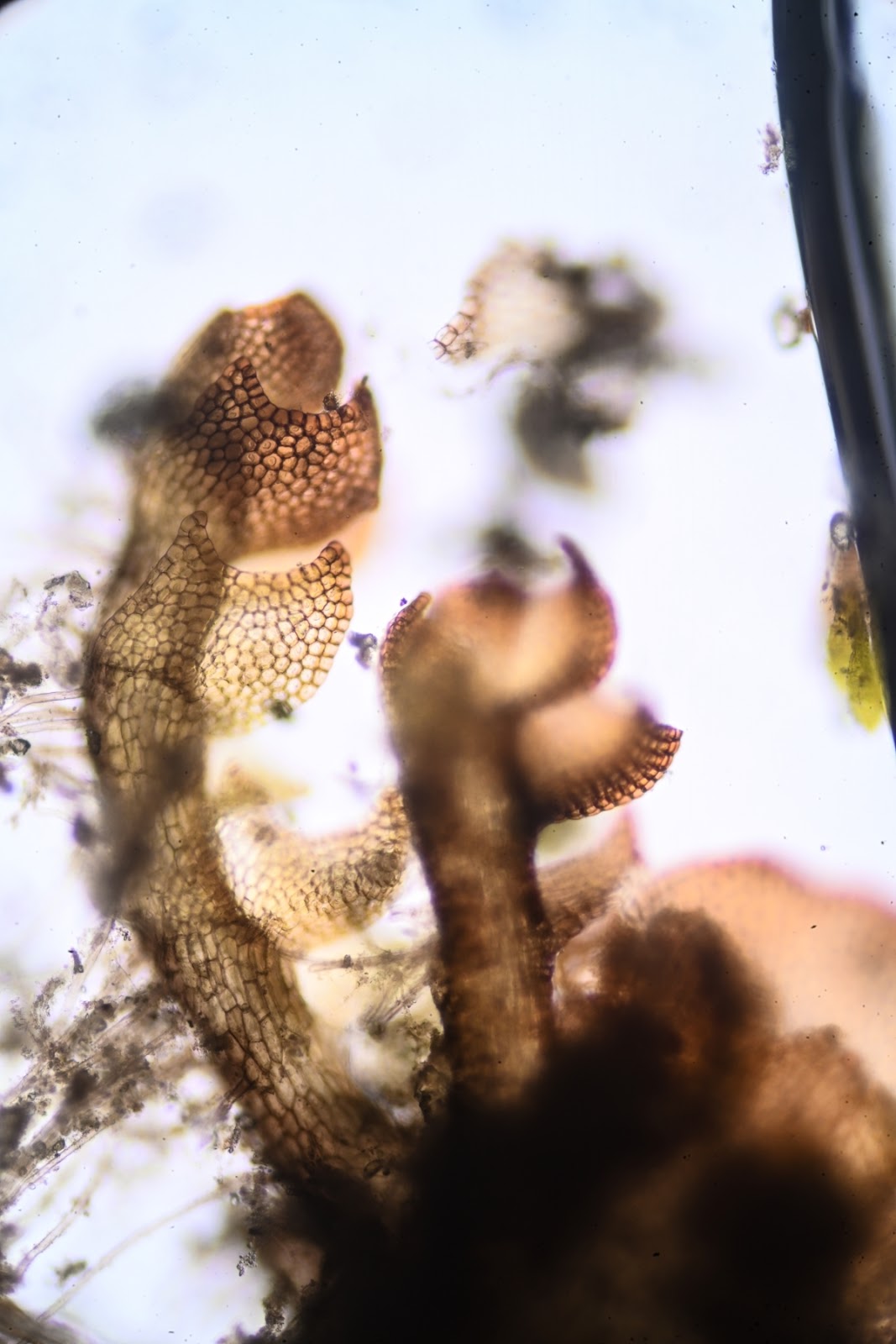
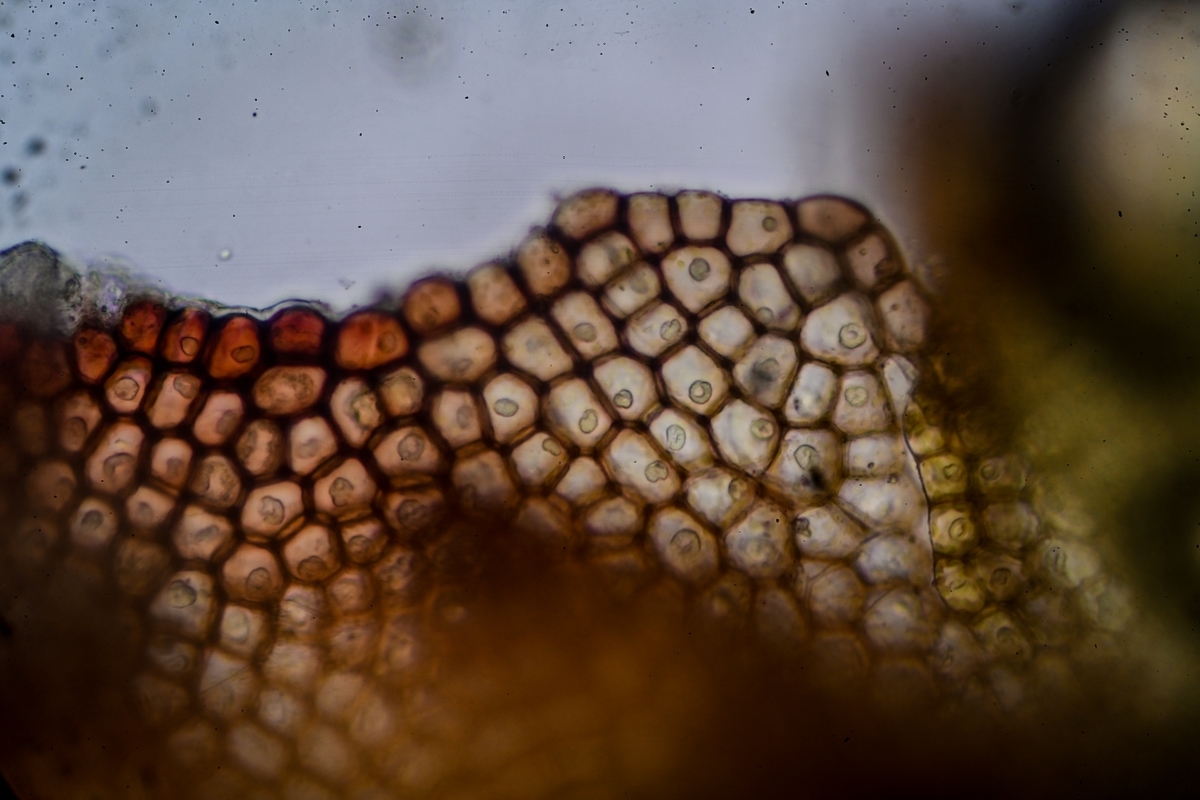
The smallest species of Nardia in the region, N. breidleri has light-green to reddish-brown leafy shoots less than .5 mm wide that can be found around arctic and alpine regions growing on soil in areas of late snow melt. The lateral leaves are distantly-spaced ovate in shape with smooth margins and two slightly-unqual lobes that descend down 1/4 of the leaf’s length, while the lateral leaf is simple, elongate and only visible near the apex of the stem along the underside. This is a “dioicous” species that under the microscope lacks obvious thickenings at the junctures between leaf cells, each cell housing one large, solitary oil body.
Similar species
See table for comparison of regional species of Nardia
Habitat
Moist to wet humus, mineral soil, snowbed sites, and tundra in the subalpine and alpine zones
Associated species
XXXXXX
Distribution Map
Relevant Literature
- Godfrey, J.D. (1977). Hepaticae and Anthocerotae of southwestern British Columbia . [Doctoral dissertation, University of British Columbia]. UBC cIRcle.
- Hong, W. S. (2007). Scapania. In Flora of North America Editorial Committee (Eds.), Flora of North America North of Mexico (Vol. 3) . Oxford University Press.
- Wagner, D. H. (2013). Guide to the liverworts of Oregon: Scapania undulata . Oregon State University Herbarium.