
Tritomaria exsectiformis
Tritomaria exsectiformis
Phylum: Marchantiophyta
Family:
Scapaniaceae
Genus:
Tritomaria
Synonyms: Diplophyllum exsectiforme (Breidl.) Warnst., Jungermannia exsectiformis Breidl., Lophozia exsectiformis (Breidl.) Jaap, Sphenolobus exsectiformis (Breidl.) Steph.
| Common Name | Large Cut Notchwort |
Image Gallery
Distinguishing Features
Similar Species
Habitats
Associated Species
Distribution Map
Relevant Literature
Image Gallery
© Julia Carr
iNaturalist
© Julia Carr
iNaturalist
© Randal Mindell
iNaturalist
© Connor Wardrop
iNaturalist
© Julia Carr
iNaturalist
Distinguishing Features
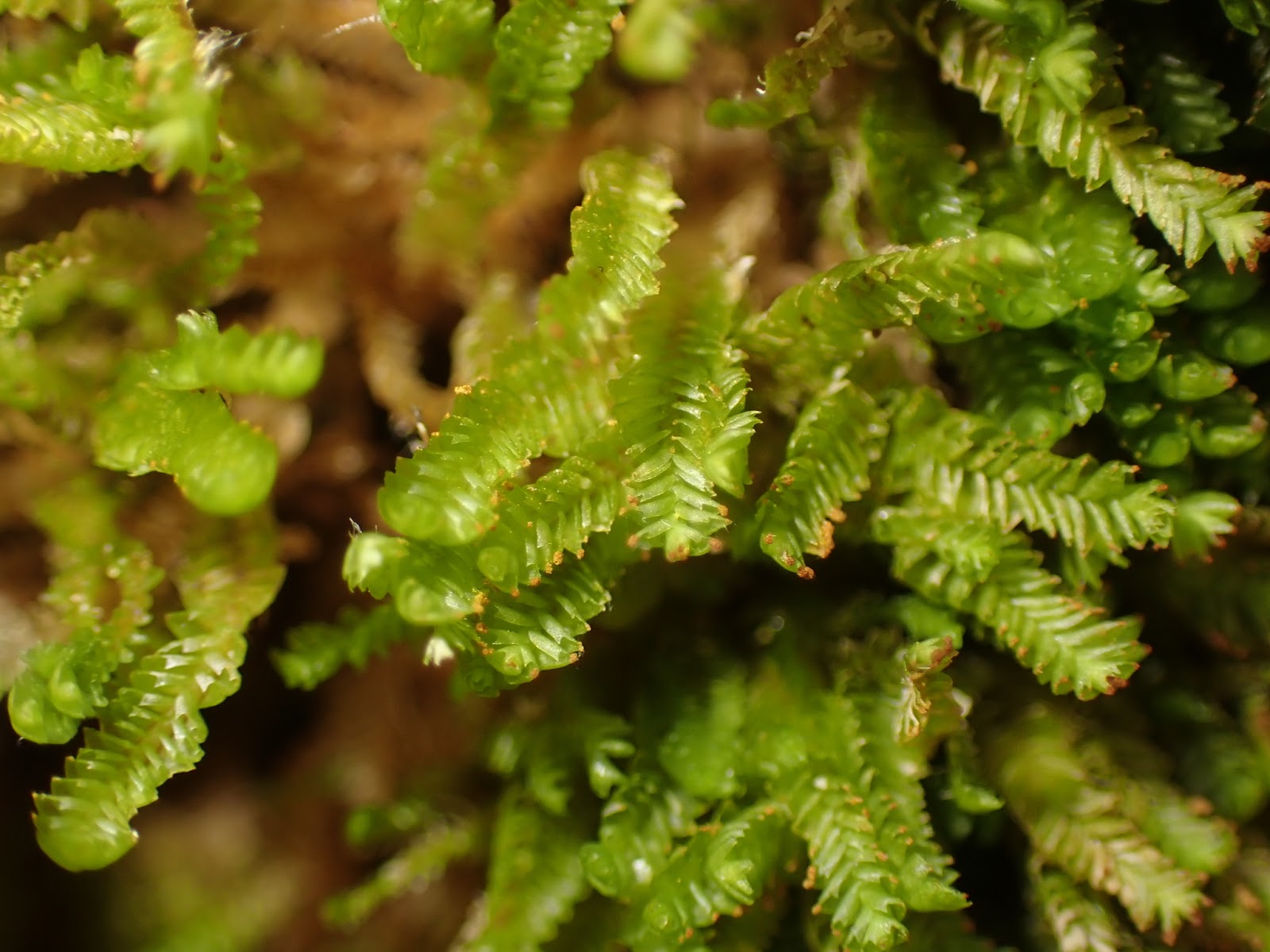
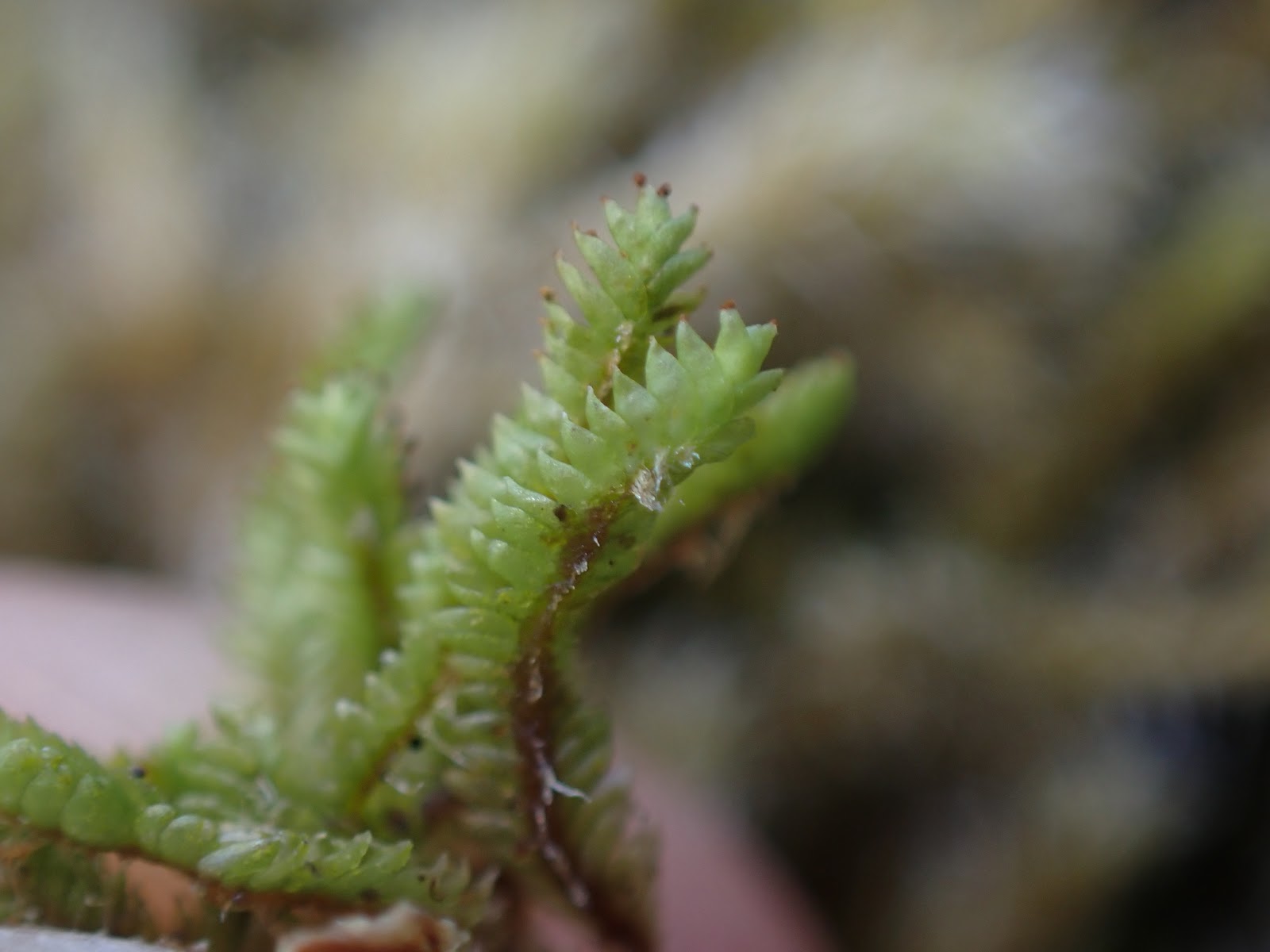
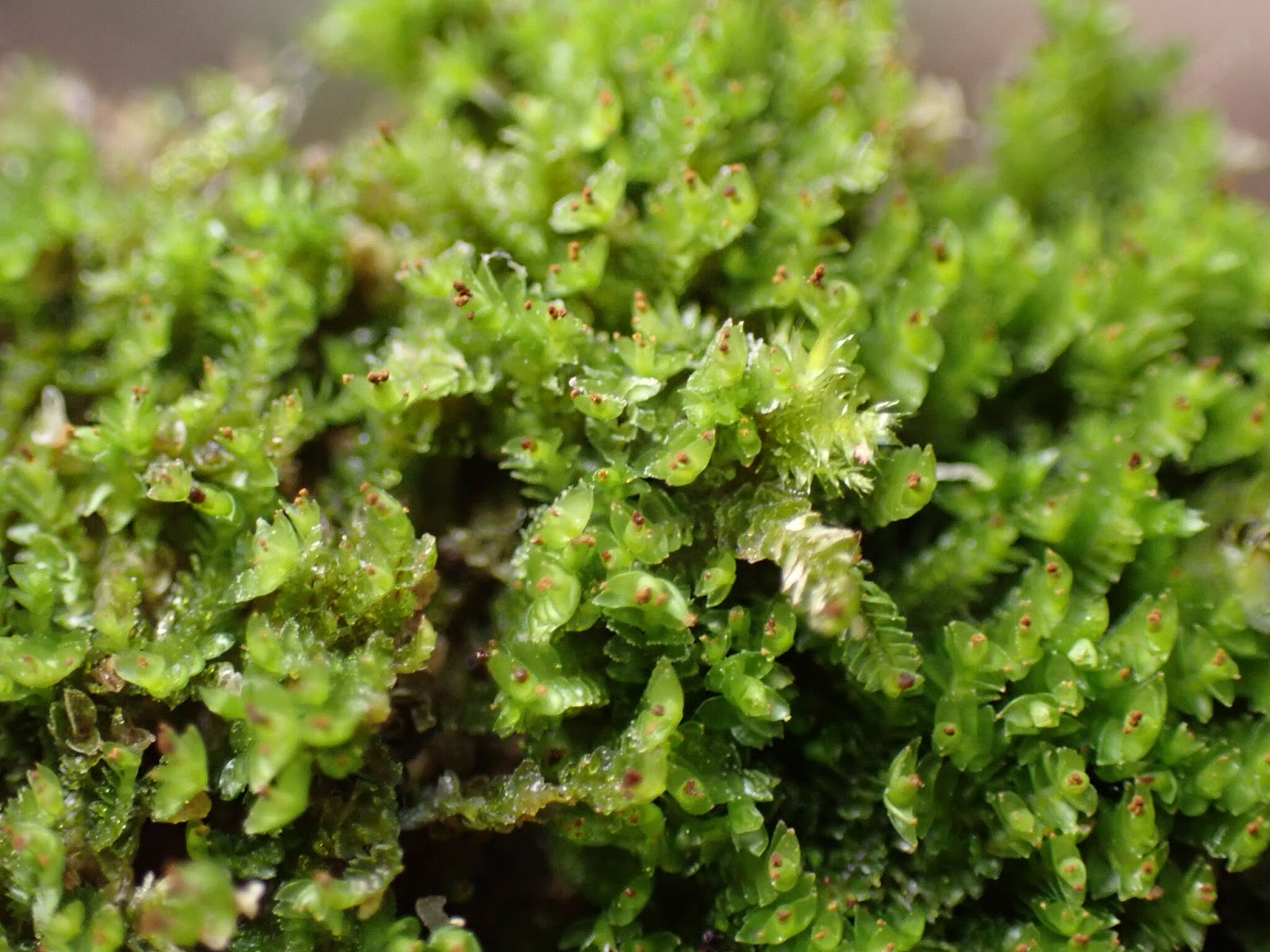
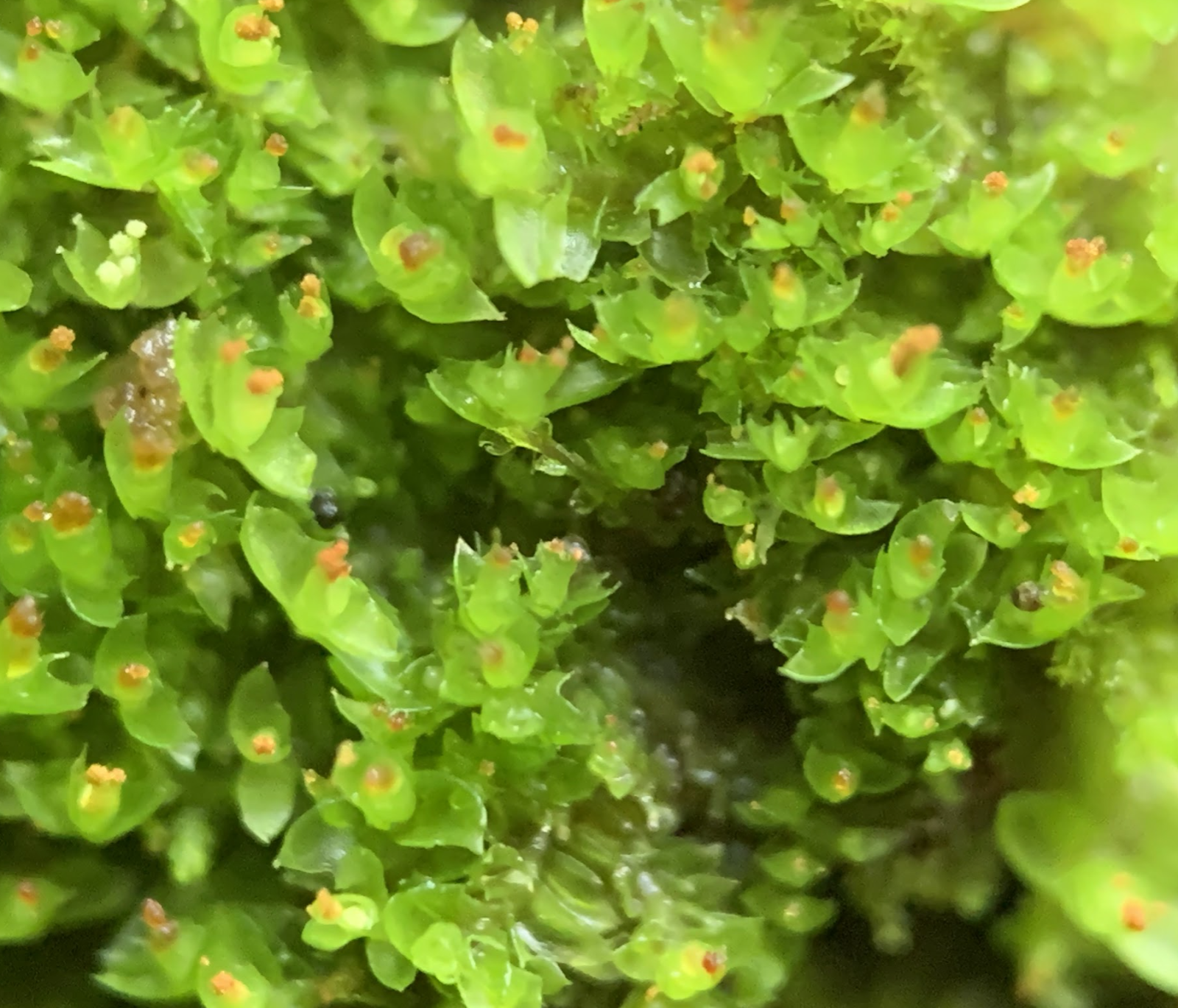
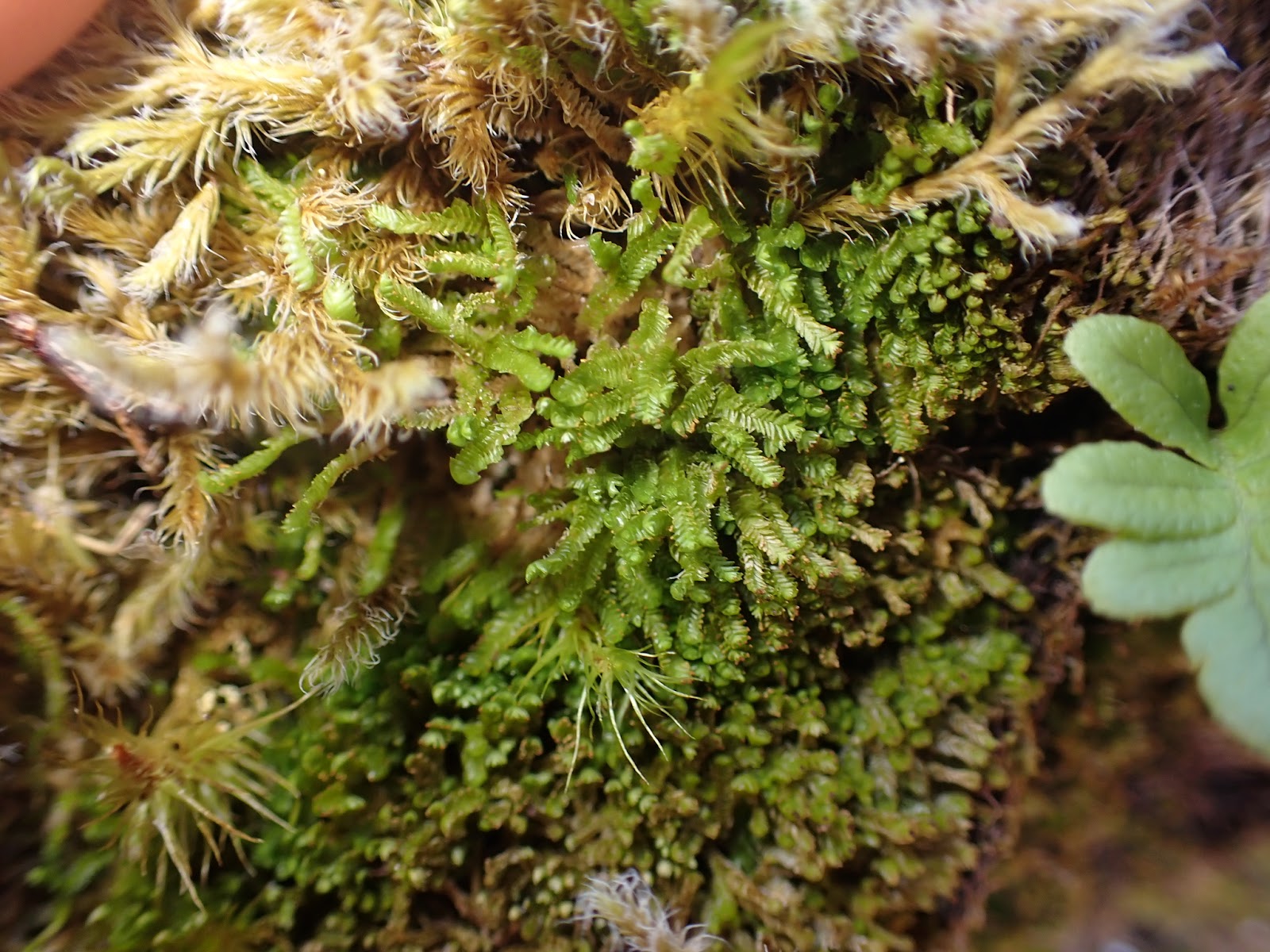
Asymmetrically 3-lobed leaves that are longer than wide and frequently crowned in clusters of bright-red gemmae are a good indicator of Tritomaria exsecta. The leaf apices are acute, underleaves are absent and the gemmae, when examined under a microscope, are angular. These plants typically rest horizontally against the tree trunks and decaying organic matter that they call home, with golden green shoots up to 2 cm long and 2 mm wide.
Similar species
See table for comparison to other species of Tritomaria and Trilophozia. This species can only be distingushed from the exceedingly similair T. exsecta by examining the gemmae under the microscope. In that species, the gemmae are smooth, while in T. exsectiformis, they are angular.
Habitat
Associated species
Distribution Map
Relevant Literature
- Godfrey, J.D. (1977). Hepaticae and Anthocerotae of southwestern British Columbia . [Doctoral dissertation, University of British Columbia]. UBC cIRcle.
- Hong, W. S. (2007). Scapania. In Flora of North America Editorial Committee (Eds.), Flora of North America North of Mexico (Vol. 3) . Oxford University Press.
- Wagner, D. H. (2013). Guide to the liverworts of Oregon: Scapania undulata . Oregon State University Herbarium.